



















































How to Clean Radiators
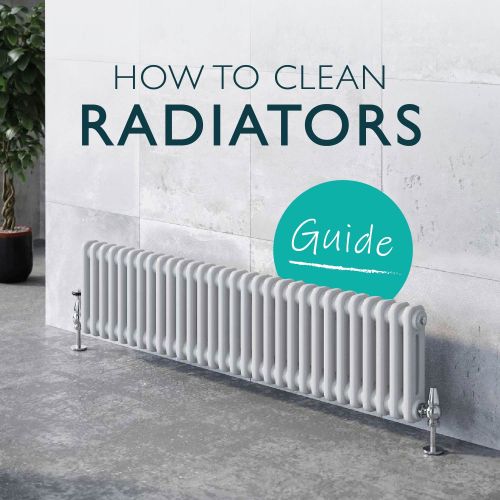
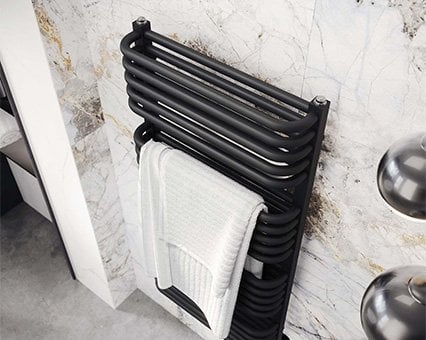
Cleaning radiators and heated towel rails is not top of the chores list. Many people often forget, however, it is important. We should try to clean them at least twice a year.
Cleaning your radiator regularly helps it heat the room efficiently, prevents unnecessary energy usage and lowers the chance of problems. Plus, it keeps the air quality clean.
Why Should You Clean Radiators?
Over time all radiators, vertical or horizontal radiators, act like magnets for household dust and pet dander. As warm air rises, it pulls in all fluff and dirt, trapping it deep within the fins and surrounding surfaces of the radiator.
This dirty layer works like an insulator. It affects how well the radiator performs and heats the room. Radiators then have to work harder which puts more strain on your boiler which can then result in higher energy bills! Plus, when all the trapped dust and grime gets hot, it will release unpleasant smells and circulate allergens back into the air.
Modern or traditional radiators, they all need a deep clean from time to time. This helps them work efficiently and saves you money.

Step by Step Guide to Radiator Cleaning
Sep One - Cleaning Preparation
Your radiators must be turned off and cold before starting cleaning. Prep the area - place a sheet or towel on the floor underneath the radiator to catch any dust and dirt that may fall through.
Step Two - Remove the Dust
Use your vacuum, crevice tool, soft brush, or duster. Remove all the visible dust from the radiator surfaces you can reach. Use a flexible radiator brush and gently push down into the radiator fins to dislodge any stubborn dust.
You can also use a hairdryer on its coolest and highest setting. Point it in to the top of the radiator and down. The strong concentration of air will help push the dust down. Vacuum up any mess prior to the next step.
Step Three - Surface Cleaning
Prepare a gentle cleaning solution using a mix of warm water and a small amount of washing-up liquid. Wet a soft cloth or sponge with the solution. Wipe down the whole outside of the radiator, including the radiator valves and pipes.
Top Tips:
• Place a dish or tray underneath the radiator to catch any drips.
• Avoid harsh chemicals and scouring pads!
Step Four - Rinse & Dry
You now need to rinse the radiator. Use a second clean cloth and plain warm water to wipe away any soap residue. Next, use a microfibre cloth to dry the radiator, this prevents streaks, water spots and also potential rust formation.
Things To Avoid When Cleaning Radiators
• Avoid abrasive products like scourers and brillo pads as these can scratch surfaces & damage paint.
• Avoid aerosols and sprays containing antibacterial agents when cleaning radiators, as they can actually pose a fire risk.
• Avoid corrosive chemicals like bleach. They can shorten the radiator's lifespan, damage metal surfaces, and cause fading.
FAQ’s
What happens if I don't clean my radiators?
Over time, your radiator will collect dust, pet dander, and mould spores. If not cleaned, the radiator will release these pollutants into the air when the heat is on. A dirty radiator won't heat a room efficiently. This can lead to higher energy use and extra costs. It may also shorten the radiator's lifespan.
How often should I clean my radiators?
You should give all of your radiators a quick dusting at least once a month. For a deeper clean, experts advise twice a year, timing it before and after the heating season.
Do dusty radiators affect air quality?
A dusty radiator can harm air quality. When the radiator heats up, it spreads dust and allergens into the room. This can make allergies worse.
Why does my radiator smell when I turn on the heat?
If your radiator has a musty or burning smell when the heat is on, this is the layer of accumulated dirt heating up and being released into the air.
What’s the easiest way to clean inside radiator panels?
The easiest way to clean inside the radiator panels is to use a flexible radiator brush as they are designed to dislodge stubborn, hard to reach dust.
What cleaning products should I avoid when cleaning my radiator?
If in doubt, always opt for mild washing-up liquid and warm water. Look out for eco-friendly cleaning products as these tend to be gentler. Always avoid using harsh chemical cleaners and corrosives such as bleach. Avoid aerosols and sprays containing antibacterial agents as they can react with heat.
Read more from us
May 21st 2015 | 4 min read | By Owen