





































Radiator Valves Explained
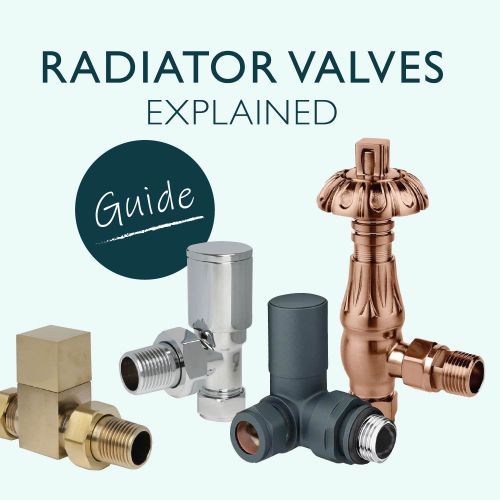
Choosing the right radiator valves might seem like a small detail, but it’s a crucial step in completing your perfect heating setup. There's lots to consider; manual or thermostatic valves? What style will best compliment your new radiator? Which colour and finish will suit your décor? It can be tricky to navigate the best match for your specific radiator and pipework. Fear not! Here we’ll walk you through all the different types and styles available, so you can make an informed decision for your home.
Which Type of Radiator Valve do I Need?
The type of radiator valve you need depends on where the radiator's connections are located and where your central heating pipework comes from.Straight Valves
Straight valves should be used when your pipework comes from the floor and your chosen radiator has bottom connections.Angled Valves
Angled valves should be used when your pipework comes from the floor and your chosen radiator has side connections.OR
Use when your pipework comes from the wall and your chosen radiator has bottom connections.
Corner Valves
Corner valves should be used when your pipework comes from the wall and your chosen radiator has side or bottom connections.
Manual Radiator Valves vs Thermostatic Radiator Valves
Manual Radiator Valves
Manual radiator valves give simple manual control over the immediate flow of water into the radiator, acting just like a tap.Turning the control clockwise moves a stopper or pin inside the valve down, which decreases the size of the opening (aperture) that the hot water flows through. If fully closed, it stops the flow entirely, and the radiator will go cold. Turning the control anti-clockwise moves the stopper up which increases the aperture, allowing more hot water into the radiator, making it hotter.
Key Points:
• Isolation - When you fully close a manual valve it completely stops the flow of water into the radiator. This makes it easier to replace, repair or remove a radiator as you won't need to drain the entire heating system.
• Heat output remains fixed until you physically change the setting again.
Thermostatic Radiator Valves
Thermostatic radiator valves, also known as TRV’s are a little more complex as they are a self-regulating device with a sensor, working to maintain a consistent pre-set room temperature.
The valve has a thermostatic sensor within the head which contains a temperature sensitive material such as wax or liquid. This material will expand or contract in response to the room's air temperature.
You firstly set the temperature on the radiator valves dial (1-5) and if the room temperature is below your chosen temperature the wax/liquid will be cold, causing it to contract which causes an internal mechanism to push the valves internal pin upwards, which then allows the maximum amount of hot water to flow in to the radiator and heat the room.
When the room meets the temperature that the TRV has been set to, the wax/liquid will expand which puts a downward force on the internal pin, closing off the valve aperture, thus restricting the hot water flow and preventing your room from overheating.
Key Points:
• TRV’s enable individual temperature control per room.
• Energy saving by ensuring you only heat a room to the temperature you need.
• It’s recommended not to install TRV’s in every room of the home, one radiator should have a manual valve giving your heating system a permanent bypass, as pressure can build up if all TRV’s were shut off.

Available styles & colours
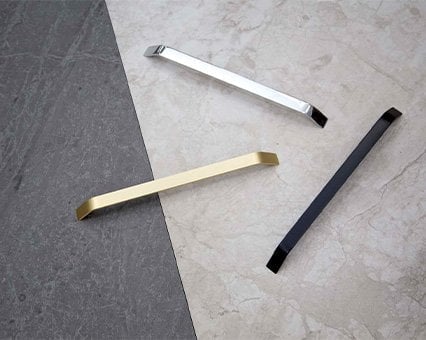
It’s all in the detail, radiator valves are the finishing touch to your brand new radiator. Our range of radiator valves is ever expanding at Easy Bathrooms, so we can offer the perfect match as our range of stylish radiators increases.From traditional crosshead radiator valves to simplistic round and square radiator valves you’ll find a wide selection of designs to complement your chosen radiator. We’ve also got you covered with a huge range of finishes, so you can opt for a sophisticated contrast or cohesive finish.

FAQ’s
What are the three types of radiator valves?
The main three types of radiator valves are manual radiator valves which work like a tap, giving manual control over water flow into the radiator. Thermostatic radiator valves which give temperature control per room using sensors and automatically adjusting water flow to meet temperature settings. There are also lockshield valves which are found on the opposite pipe connection of the radiator from the manual or thermostatic valve.What is the difference between straight and angled radiator valves?
These two types of radiator valves differ by their shape. Both shapes are designed to connect a radiator to the central heating pipework, the location of your pipework and the location of the radiator's connections determines which radiator valve / shape you need.Do all radiator valves fit all radiators?
The majority of radiator valves will fit all radiators as most modern radiators and valves use a ½” BSP (British Standard Pipe) thread for the tail piece that screws into the radiator tapping. However some older radiators, especially cast iron or older panel radiators, may use a larger ¾” BSP thread.What are the two valves on a radiator called?
The two types of valves you find on your radiator are a control valve and a lockshield valve. The control valve which is either a manual wheelhead radiator valve or a TRV, controls the flow of hot water into the radiator. The lockshield valve controls the flow of water out of the radiator (the return). This valve is usually covered with a plastic or metal cap as you should never adjust this unless balancing the heating system.How do you know if a radiator valve is open or closed
On a manual radiator valve, if the control head is turned fully anti-clockwise the valve is fully open. If the control head is turned fully clockwise it is fully closed. On a TRV the valve head has a dial to display the set temperature. If set to zero the valve is fully closed, if set to max (usually 5) the valve is fully open.Can i replace a radiator valve myself?
We would recommend only taking on the job of replacing a radiator valve if you are confident with basic plumbing, if not we recommend contacting a professional plumber. There are a few things to consider before taking on the task such as bleeding the radiator, potential leaks if not installed correctly, re-pressurising and possibly rebalancing the full heating system.
Read more from us
May 21st 2015 | 4 min read | By Owen